
Introduction from LEEP’s Executive Director
2025 was a year of remarkable growth and foundational progress for LEEP. We launched 11 new paint programs, bringing our total presence to 40 countries across Africa, Asia, and Latin America—reaching areas representing 76% of births in low- and middle-income countries (LMICs). Across our programs, we completed thirteen paint studies, exceeding our target, and reaffirmed that lead paint remains widely available in LMICs. Encouragingly, follow-up studies in Ghana and Pakistan showed significant reductions in the availability of lead paint on the market. These results demonstrate that eliminating lead paint is both urgent and achievable.
In 2025, five focus countries—Burundi, Liberia, Niger, Peru, and Sierra Leone—adopted new regulations limiting lead in paint. Enforcement also continued to be a priority. We agreed to work on enforcement measures with seven partner governments in 2025. In Ghana and Liberia, regulatory authorities warned more than 50% of the lead paint market share about their noncompliance with the recommended limit, while Pakistan issued penalties for violations.
Across 22 countries, we engaged with manufacturers representing over 80% of the lead paint market, up from 12 in 2024. Testing confirmed that more manufacturers reformulated their products in Ghana, Colombia, Senegal, Zimbabwe, Pakistan, Malawi, South Africa, and Burundi.
Beyond paint, we expanded our focus to other sources of lead exposure. We trained food safety authorities in Sindh, Pakistan, to identify lead-adulterated turmeric and conducted targeted detection studies on spices in Viet Nam, Indonesia, and Malaysia. Market prevalence studies we conducted in Morocco indicated that 57% of women regularly use high-lead traditional eyeliner, including 14% who apply it to newborns and children. In Pakistan, we continued our work on lead in traditional eyeliner, deepening technical understanding and preparing for the country’s first dedicated workshop on lead in surma in early 2026—a key step toward industry consultation requirements before regulation.
Looking ahead, in 2026, LEEP will scale our paint programs to 50 countries across Africa, advance paint programs in Asia and Latin America, expand our work on spices and eyeliners, and continue to identify and evaluate additional significant sources of lead exposure (such as plastic foodware and drinking water) that may be tractable and cost-effective for LEEP to address. Our focus will be demonstrating reformulation and lead exposure reduction at scale.
Key priorities include driving market-wide reformulation in our paint programs through deeper industry engagement, enforcement, and awareness-raising through media. We aim to support governments to establish regulations in seven additional countries this year, and ensure the majority of the lead paint market share is taking steps to reformulate in 10 additional countries. We will also work toward a 50% reduction in lead in turmeric on the market in two provinces/states in India and Pakistan, launch new pilot programs on spices and traditional eyeliners in seven locations, and assess the cost-effectiveness and viability of these programs going forward.
Overall, LEEP enters 2026 with stronger foundations, clear strategic focus, and the capacity to translate growth into sustained reductions in lead exposure globally.
Dr Clare Donaldson, Executive Director
*Potential impact for LEEP’s programs for children born over the next 35 years.
Five years of action to end lead exposure
2025 marks five years since LEEP’s founding, when we set out to eliminate lead paint as a major source of childhood lead poisoning in LMICs. In our original launch post, we explained why we thought lead poisoning, and lead paint, were important, neglected, and potentially tractable problems. We also shared our ambition for our work on lead paint regulation to be among the most cost-effective global health and development interventions. It’s exciting to see now, five years later, not only how consensus has grown among major donors and implementers that lead poisoning is indeed an important and neglected problem, but also how LEEP’s concrete successes have played a major role in demonstrating that it is also a tractable problem, worth addressing as a global priority. When we launched, we were ambitious, but the pace and scale of progress over these five years have exceeded our expectations. With LEEP’s support, seven countries now have regulations to limit the amount of lead in paint. LEEP’s follow up studies in Malawi and Pakistan already show lead paint market reductions that are estimated to protect approximately 8.5 million children from lead poisoning, while overall, LEEP’s 40 current paint programs have the potential to protect 97.8 million children from lead poisoning in their homes over the next 35 years. LEEP’s current programs on eyeliners and spices have the potential to protect a further 12.6 million children from lead poisoning from either one of these two sources over the next seven years. This projection relies on modeling, with uncertainties around certain inputs. Our programs’ expected cost-effectiveness has remained in line with the high bar we set ourselves at the outset – to be at least comparable in terms of cost-effectiveness to GiveWell’s top charities. Later this year, we will share an updated cost-effectiveness estimate across our full portfolio — our last analysis, covering our first 13 programs, found costs of under $5 per year of healthy life saved, or equivalent. Since 2020, our dedicated team has achieved meaningful impact by continuously learning from evidence, embracing experimentation, and aiming for the largest positive impact possible. The growing scale of our impact motivates us all to keep working to reduce lead poisoning and improve the health, wellbeing, and future potential of as many children as possible around the world.
– Dr Lucia Coulter, Co-Founder
Progress towards eliminating lead in paint
LEEP’s paint programs start by first conducting paint studies to identify if and where lead paints are available on the market. We then work with governments to establish and enforce lead paint regulations, and with manufacturers to support the switch to lead-free ingredients. The theory of change shown below explains how our paint programs aim to reduce the use of lead paint, thereby decreasing lead exposure and improving children’s health and development.

Initiated new paint programs
In 2024, we set a goal to have started paint programs in countries representing 75% of births in low- and middle-income countries (LMICs) by the end of 2026. In 2025, we started 11 new paint programs. LEEP is now running programs in 40 countries across Africa, Asia, and Latin America, representing 76% of births in LMICs.
Generated evidence through paint studies
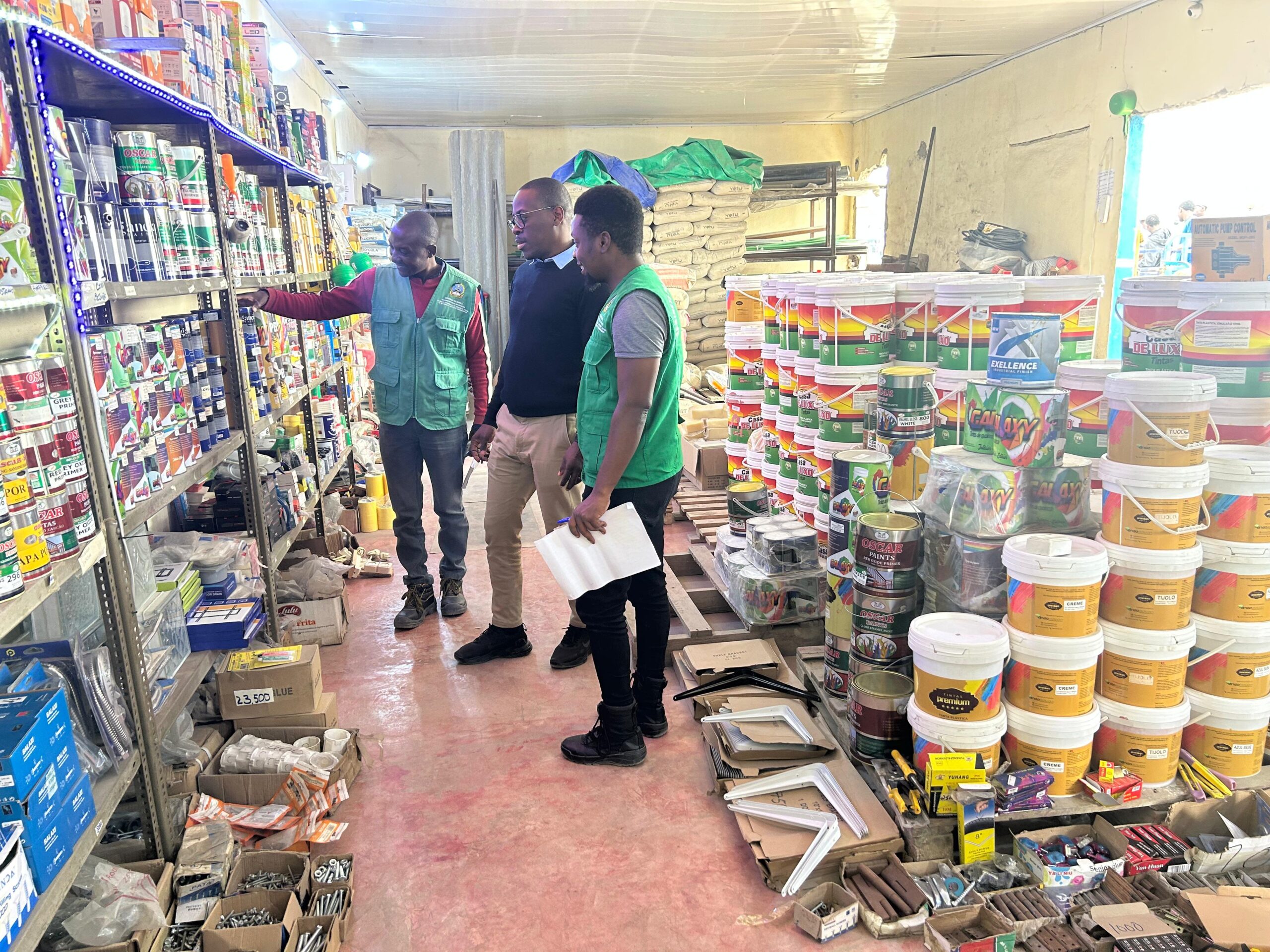
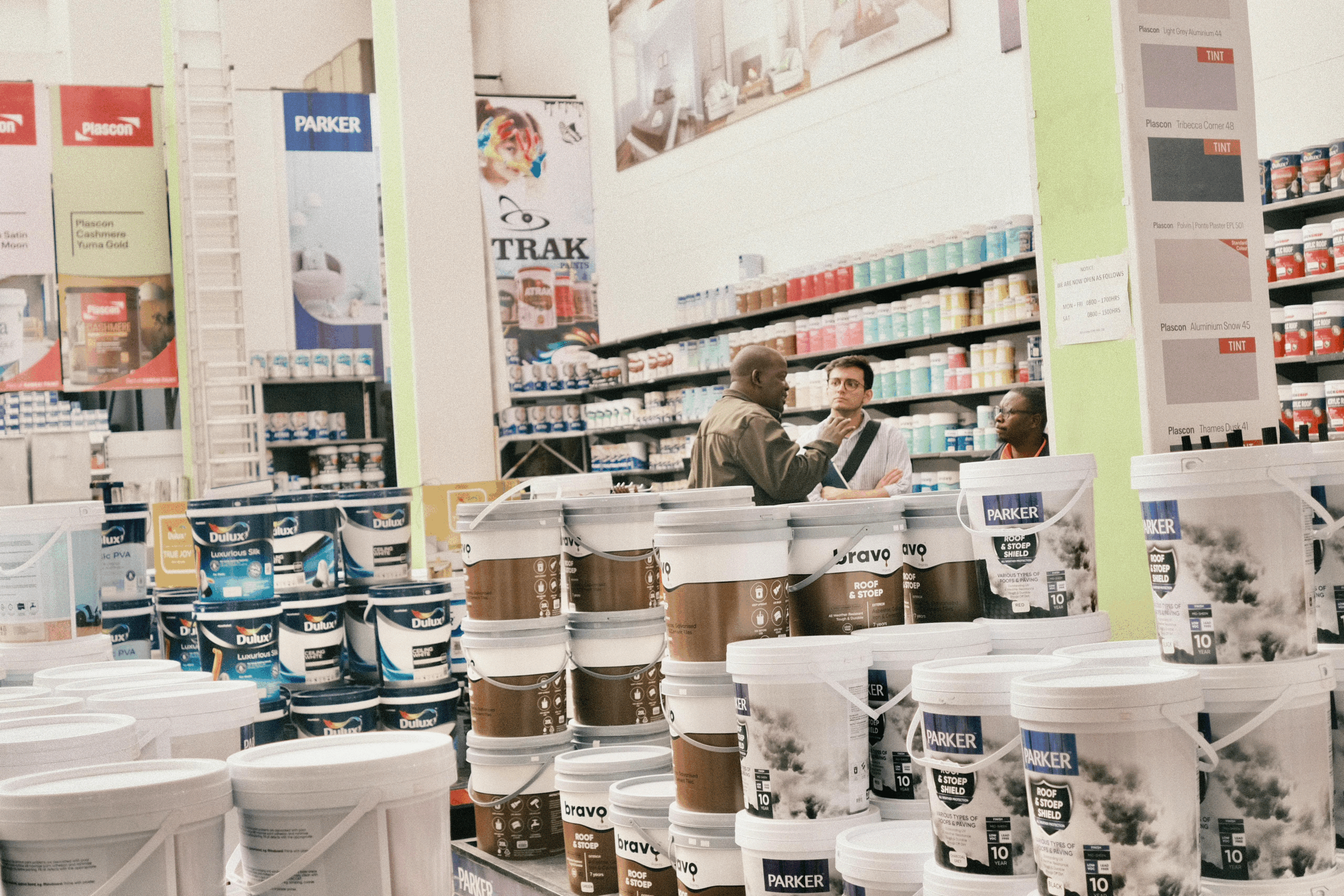
Collecting data on the lead content of paint is a crucial element in our paint programs. These studies enable us to focus on countries with the highest levels of lead paint, prioritise manufacturers based on impact and technical reformulation needs, and track progress toward eliminating lead paint from the market through follow-up analyses. The data also motivates and informs government partners in the development and enforcement of regulation.
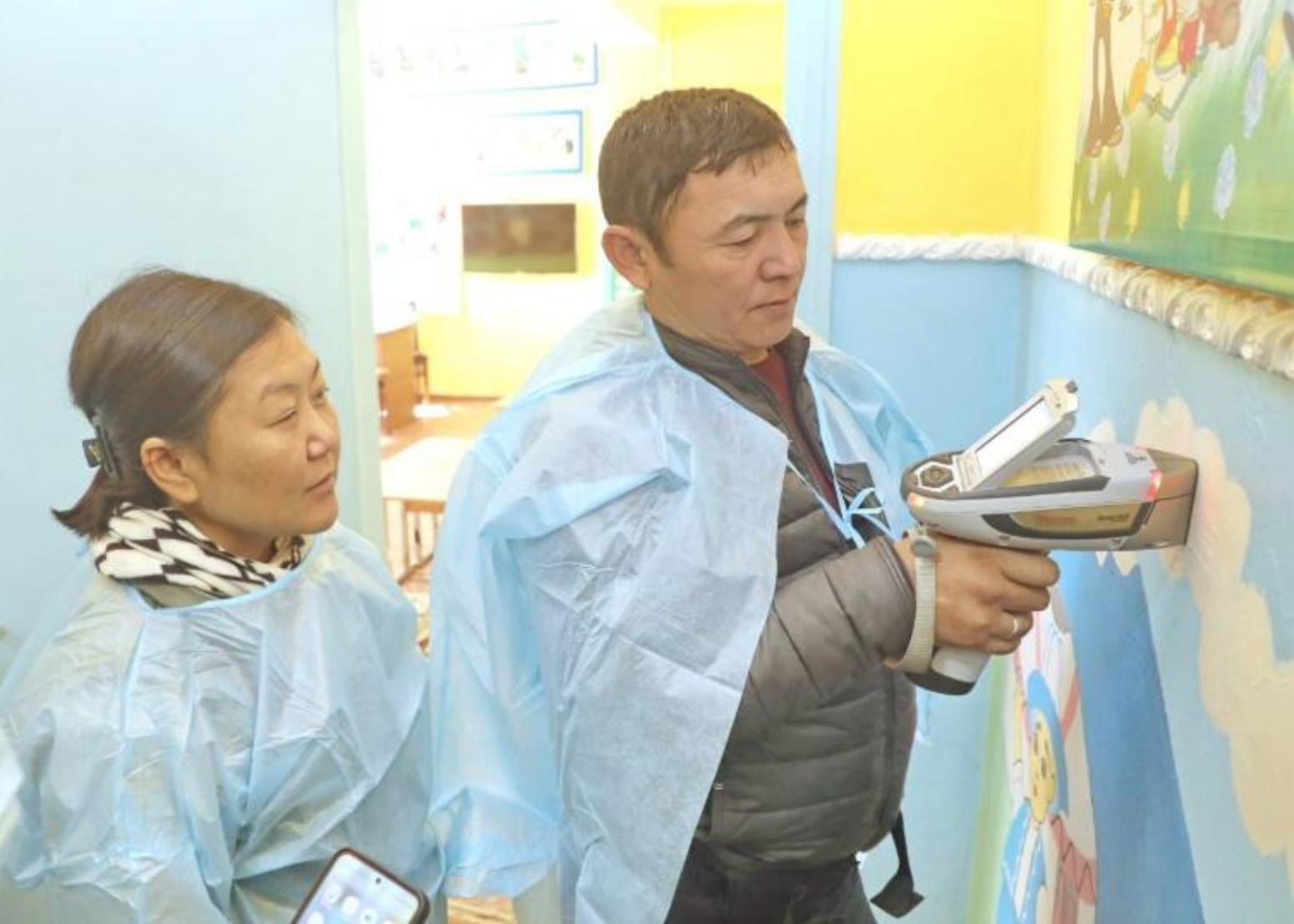
In 2025, we completed thirteen paint studies, exceeding our target. Across the board, we have found that lead pigments are still commonly used in coloured, oil-based paints, and sometimes in water-based paints. Follow-up paint studies in Malawi, Pakistan, and Ghana, showed significant reductions in the availability of lead paint on the market. In Pakistan, the study revealed that the market share of brands selling oil-based lead paint for home use has reduced from approximately 88% in 2021 to 41% in 2024, due to 20 brands reformulating. We estimate that this reduction in lead paint will protect more than 7.5 million children from exposure to lead paint in their homes (see our cost-effectiveness analysis explainer for how we calculate impact). Testing in Zimbabwe indicated a major manufacturer switched to lead-free even before regulation has been adopted. Finally, in Ghana, we achieved our goal of a repeat paint study showing a more than 50% reduction in the market share of lead paint.
In Malawi, a follow-up paint study found that brands representing only 4% of market share are using lead-based raw materials, down from 89% in our initial 2021 study. This represents a very significant drop in the amount of lead in paint on the market. Unfortunately, two major manufacturers are still facing some contamination issues and their paints are slightly above the recommended limit (approximately 10-100 ppm over the limit, compared to thousands ppm over the limit in 2021). The overall market share in breach of the limit therefore stands at 48% (up from 35% in 2024). We are working with the manufacturers to identify the source of contamination and with the Malawi Bureau of Standards to strengthen enforcement.
Supported governments to implement and enforce regulations
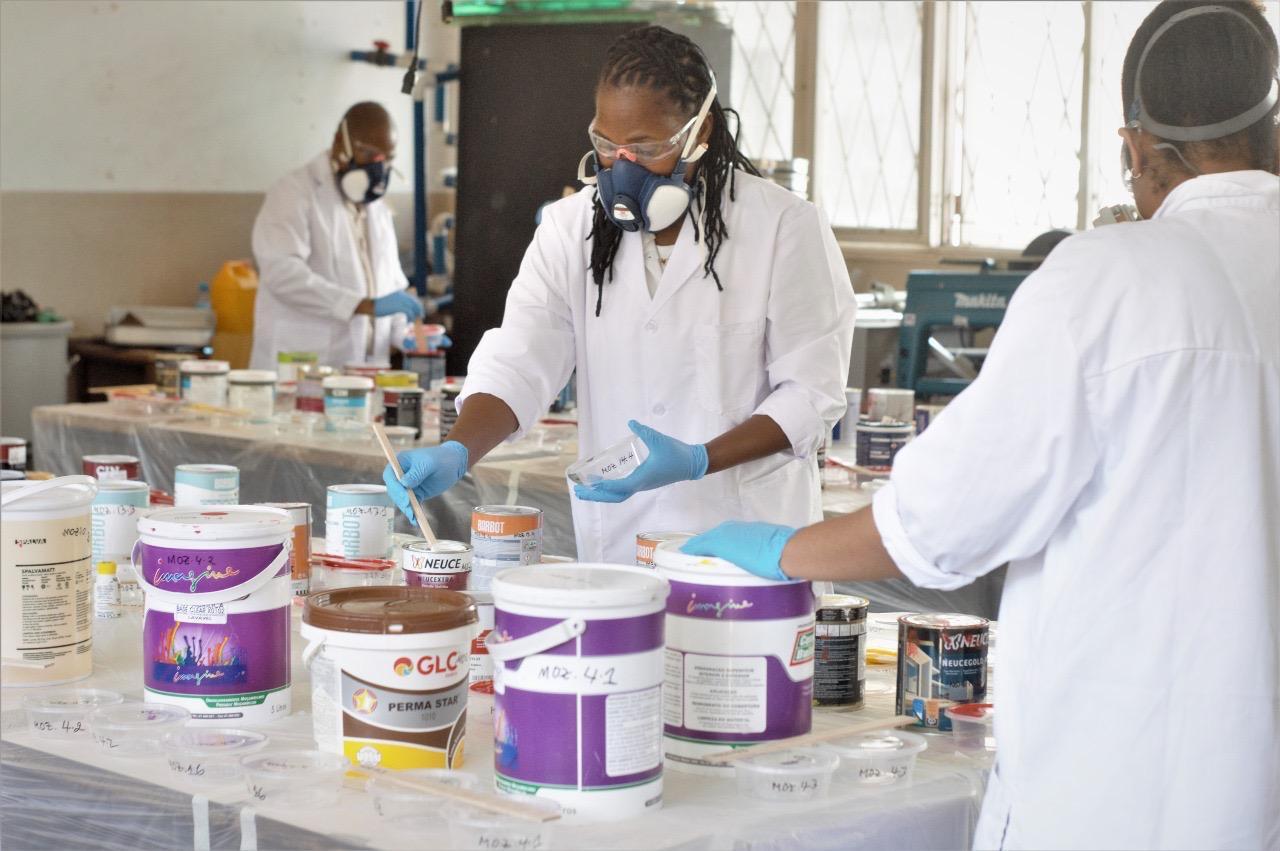
Five of our focus countries issued new regulations limiting lead in paint last year: Burundi, Liberia, Niger, Peru, and Sierra Leone (bringing to a total of seven since LEEP’s founding). In each country, we used our paint study results to inform and advocate for government regulation, provided technical input during the drafting process, and convened stakeholders from multiple government agencies and industry to keep the adoption of regulation on the governments’ agenda.
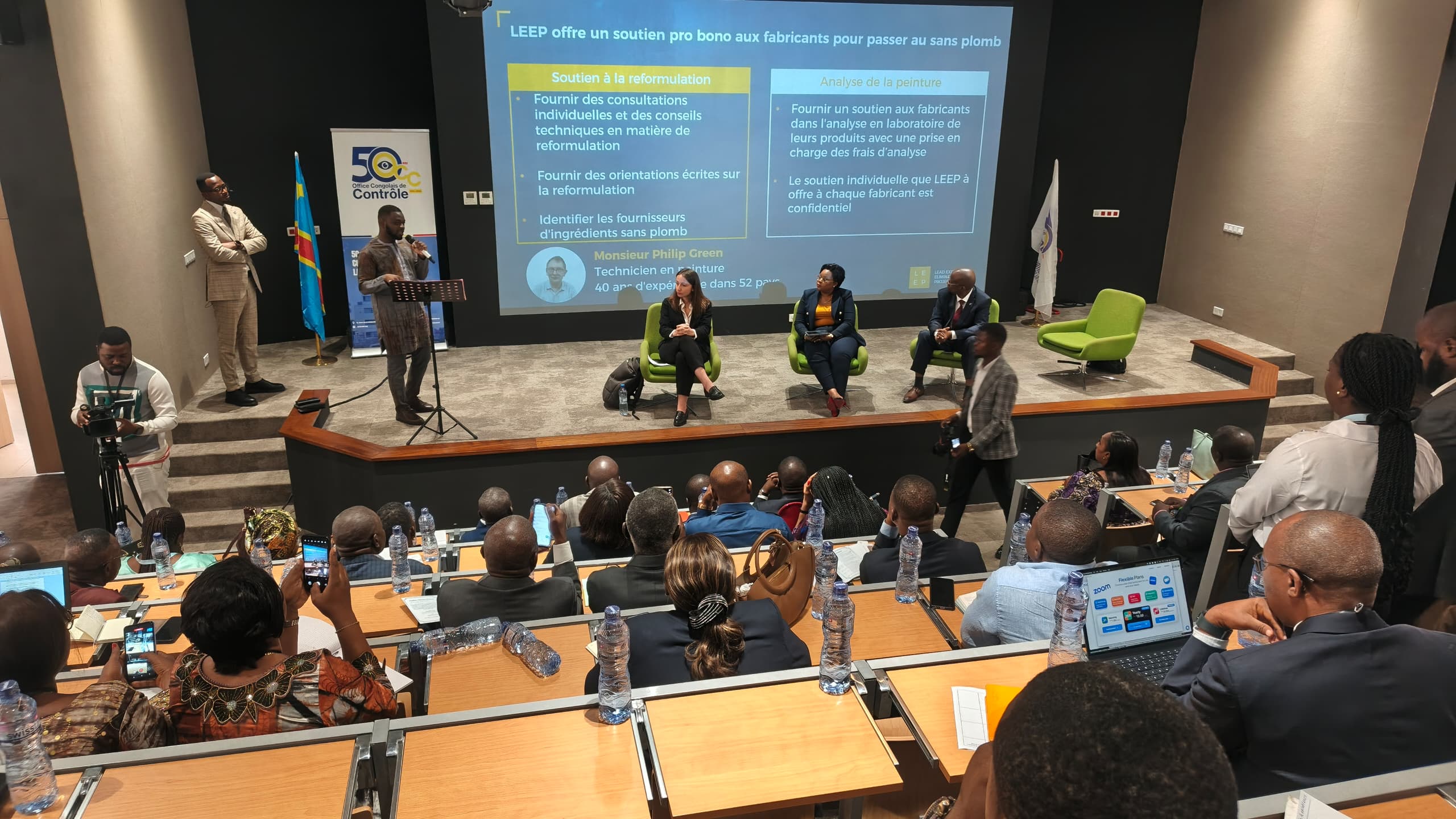
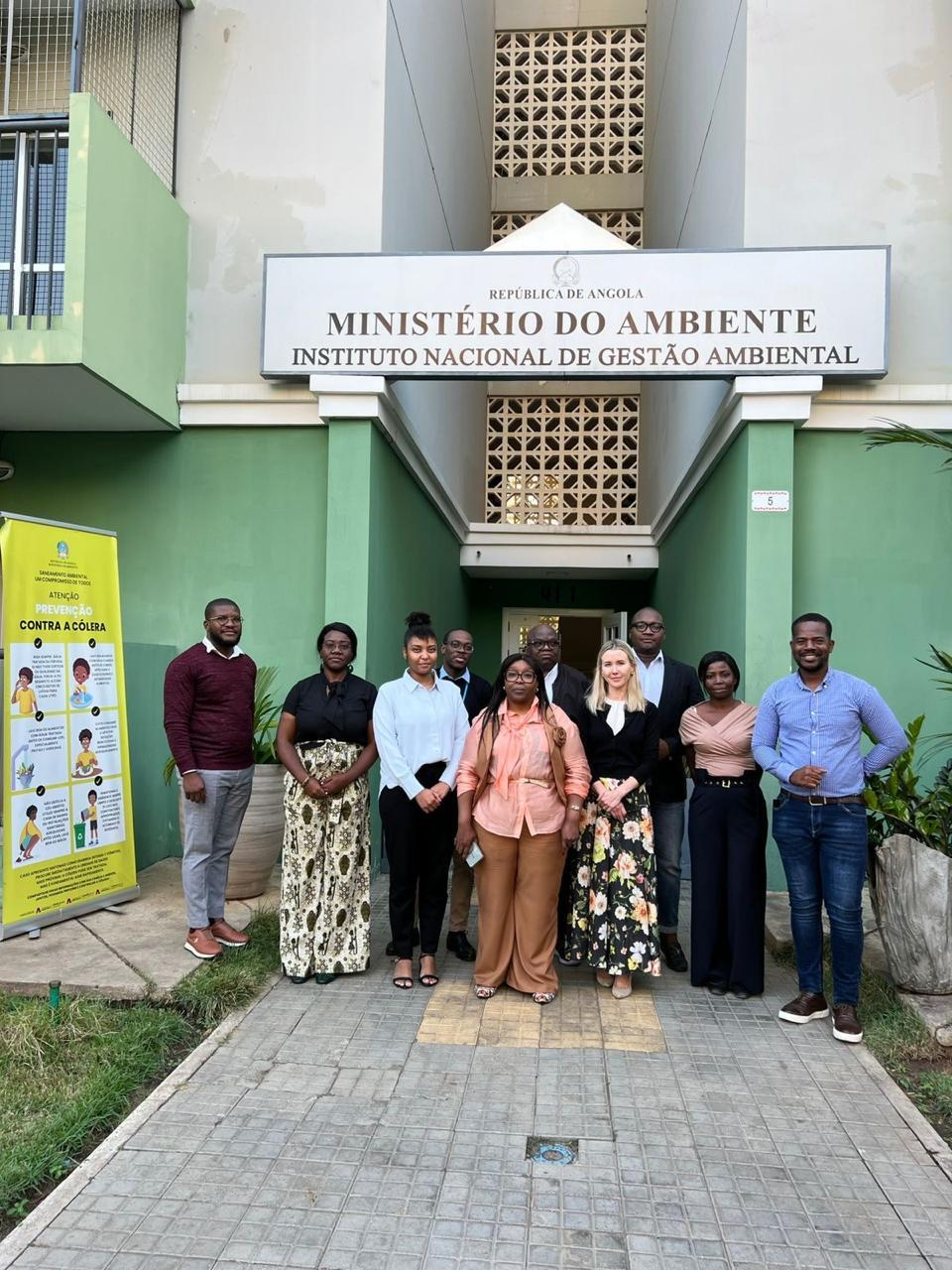
While the introduction, drafting, and adoption of regulation can be a lengthy process and vary by country, we have made progress across 11 other countries through supporting the development of draft regulation. In 2025, governments in Zimbabwe, Angola and Burkina Faso developed draft regulations. We also supported the Ministry of Health in Mexico to develop a revised regulation, bringing it in alignment with the UNEP and WHO recommended limit of 90 ppm. In the Democratic Republic of Congo, we saw particularly fast progress with a baseline paint study initiated in July 2025 and the regulation drafted and validated by December, following multiple workshops and consistent engagement with the government to support the regulatory process.
In general, we have found that government engagement is more complex and bureaucratic in upper middle-income countries (e.g. Indonesia, Viet Nam, Türkiye), where we’re increasingly working. We have needed to adapt our approach and have been making progress, but it has been slower and more uncertain.
We agreed to work on enforcement measures with 7 partner governments in 2025 (bringing the total to 11), focusing on building and testing enforcement systems, including market surveillance, laboratory testing, compliance monitoring, and response protocols, before regulations formally enter into force. In Ghana and Liberia, the regulatory authorities warned >50% of the lead market share about their noncompliance with regulation, and the government in Pakistan issued penalties for noncompliance.
Provided technical assistance to help paint manufacturers reformulate
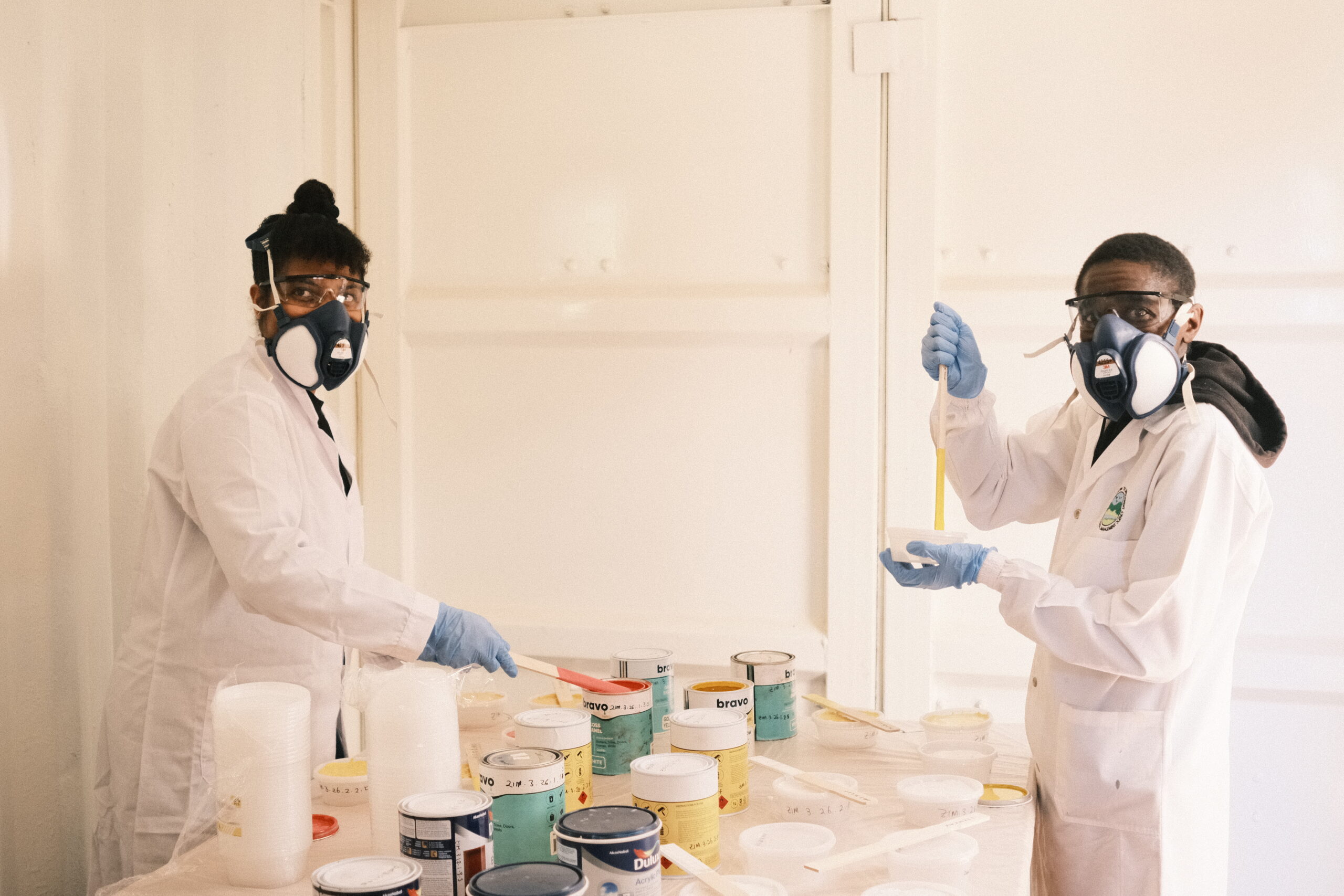
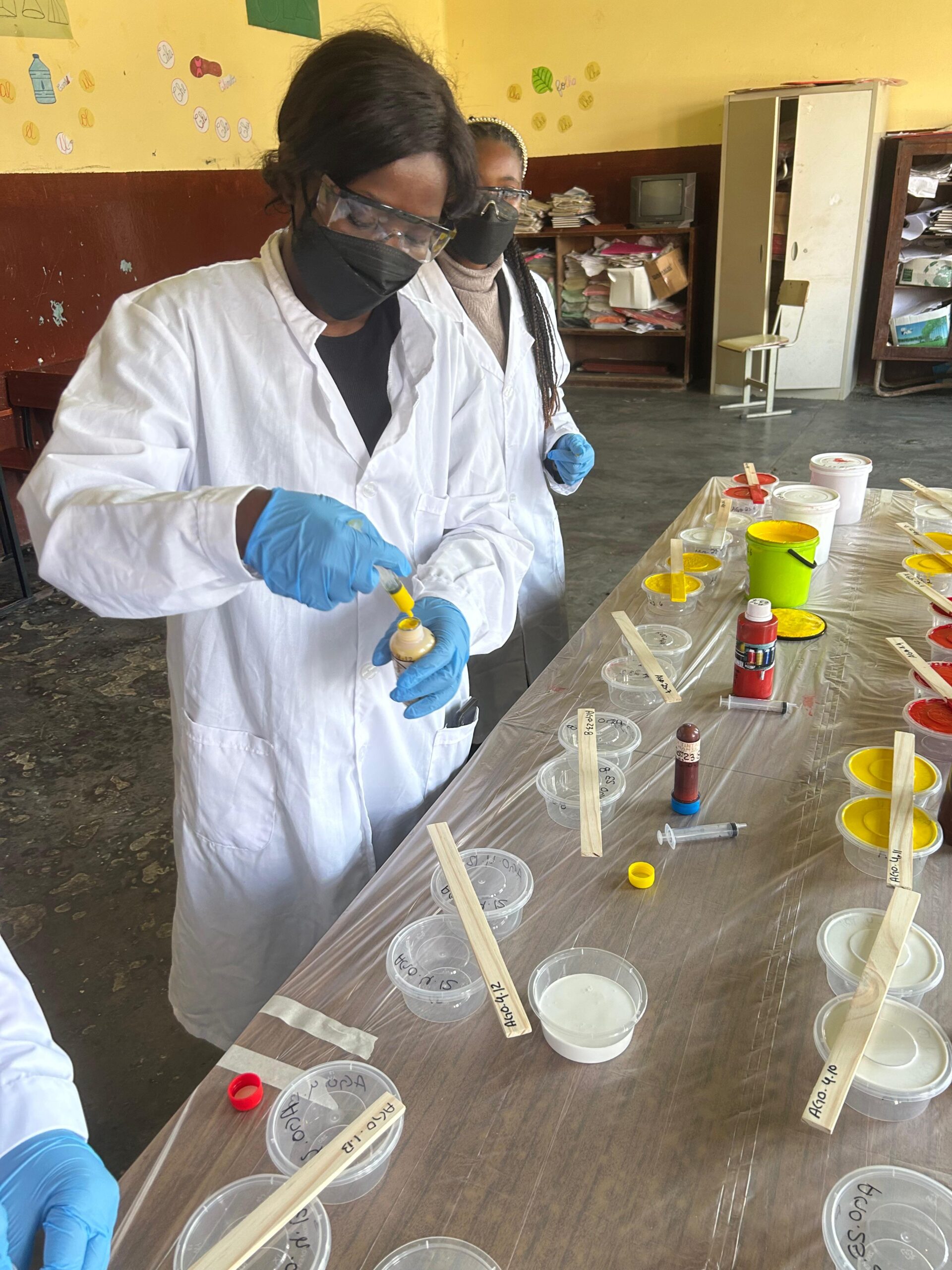
Supporting paint manufacturers to transition to lead-free materials is a core component of our program, especially in areas with limited government enforcement capacity. This helps drive the market towards lead-free products while increasing industry support for and compliance with regulations. Our industry assistance includes offering free consultations with a paint technologist, identifying low-cost locally available alternatives, providing free samples and testing, and guidance on using lead-free pigments.
Testing showed more manufacturers reformulated in 2025 in Ghana, Colombia, Senegal, Zimbabwe, Pakistan, Malawi, South Africa, and Burundi. We engaged with manufacturers representing >80% of the lead paint market in 22 countries (up from 12 in 2024). In addition, manufacturers representing over 50% of the lead paint market share reported taking active steps to reformulate (such as ordering replacement pigments) in 20 countries (up from 10 in 2024).
Colombia marks the only country in 2025 to hit our goal of 80% of the lead paint market share report taking steps toward reformulating (if >20 lead manufacturers in the country, otherwise our goal is 100%). We are finding that 50% is achievable but it’s hard to reach 80% or 100% because a large share of the remaining market is made up of small and medium-sized manufacturers that are harder to reach and engage individually. We are continuing to improve and experiment with our approach. Finding the most effective path forward and a realistic, impactful reformulation goal in each country remains an important open question for us in 2026.
Number of countries at each milestone
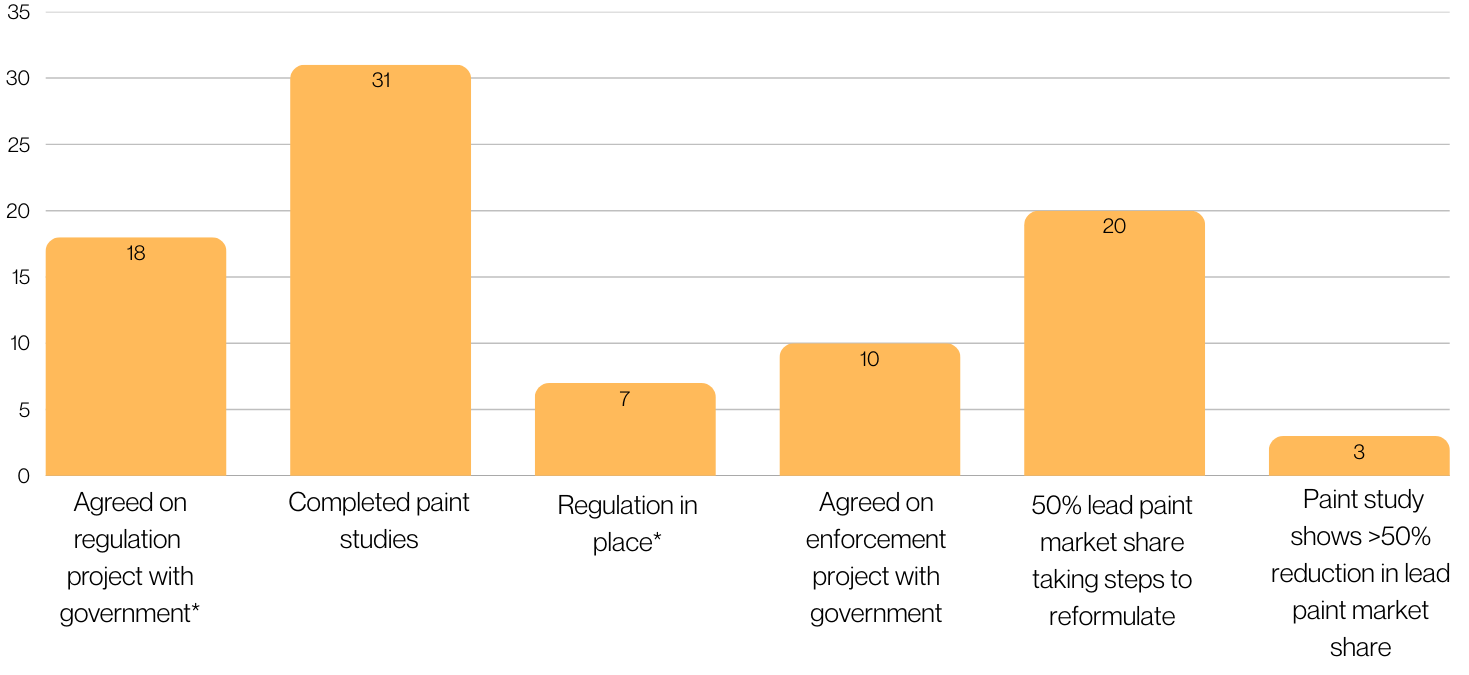
*12 countries already had regulation in place so for those countries the regulatory milestones don’t apply. View the status of all countries by milestone.
Addressing other sources of lead exposure
Spices
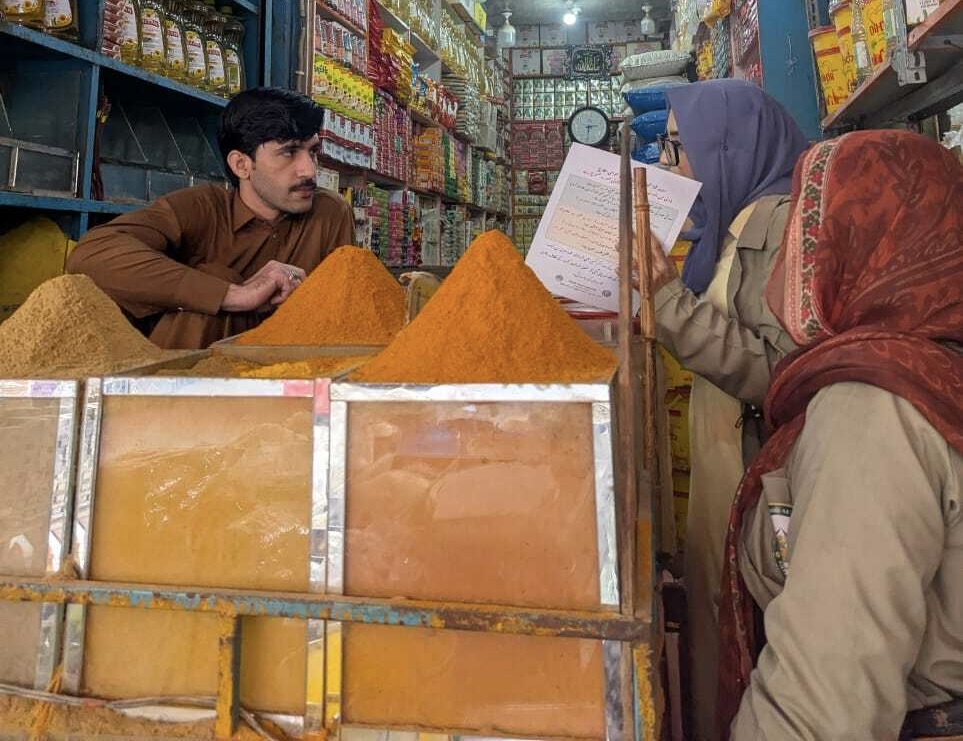
In 2025, we trained food safety authorities in Sindh, Pakistan on identifying lead-adulterated turmeric roots; detection accuracy rose from baseline levels to 100% following the training. We also conducted market information sessions where authorities engaged wholesalers of lead-adulterated turmeric roots. Additionally, we conducted targeted detection studies on spices in Viet Nam, Indonesia and Malaysia. We did not detect any lead to a level that would suggest adulteration.
Eyeliners
In North Africa, we examined the potential harm of traditional eyeliners (kohl). Market prevalence and usage studies across five regions of Morocco indicated that 57% of women regularly use high-lead kohl, including 14% who apply it weekly or daily to newborns and children, with most kohl products containing over 30% lead. In Egypt, preliminary findings indicated that close to half of women in regions representing more than 40% of the national population use high-lead kohl, with near-universal application to newborns. These studies will help inform potential programmatic interventions.
In Pakistan, our initial 2024 research confirmed previous reports of traditional eyeliner (surma) products available on the market that contain up to 80% lead. In 2025, we continued contact with key government and industry stakeholders, deepened our technical understanding of surma reformulation, and worked with Pakistan’s national standards body to plan Pakistan’s first dedicated workshop on lead in surma for early 2026 — a key step toward the industry consultation needed before regulation can proceed.
Plastics
Our prioritisation research into other sources in late 2024 found that plastic foodware is widely used in sub-Saharan Africa, and there is strong evidence that lead compounds are involved in its production. Systematic market research from Lead Research for Action (LeRA) in Malawi and Kenya revealed that high-lead plastics are prevalent in these two countries, further strengthening our view that plastics may be a high priority area. However, the extent of exposure remains unclear due to a lack of evidence on lead leachability from plastic to food. In 2025, we began conducting leachate testing on plastic foodware samples purchased across five African countries in collaboration with the British Columbia Institute of Technology and LeRA. We expect results in early 2026. The findings will help LEEP make a decision on how much resources to allocate to piloting interventions to reduce lead in plastics.
Elevating the issue of lead poisoning on the global stage
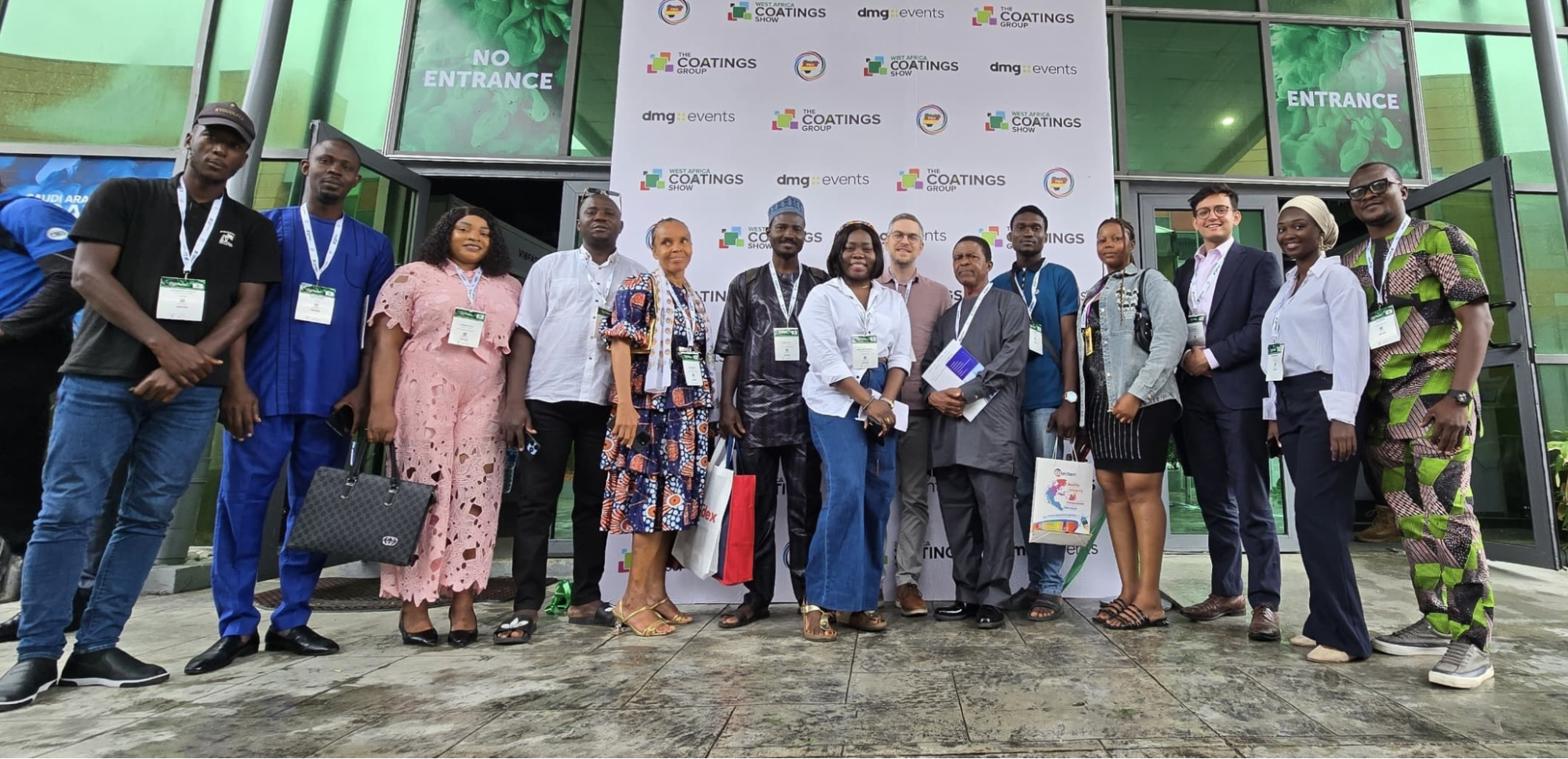
In 2025, LEEP strengthened its role in elevating lead poisoning as a priority issue through partnerships, convenings, and thought leadership. We participated in the Partnership for a Lead-Free Future’s global consultation process for identifying indicators to track progress towards ending childhood lead poisoning, which will be providing direction and aligning stakeholders around a shared goal. We joined the Bloomberg Philanthropies Lead Poisoning Prevention Initiative, coordinating work and sharing implementation lessons with five other partners working on lead exposure. Our Executive Director chaired a session at the Center for Global Development’s First Annual Research Conference on Global Lead Exposure, and also co-wrote an article “The end of lead” for Work in Progress, to raise awareness of both the problem and available solutions.
LEEP also advanced regional momentum by participating in the Twentieth Ordinary Session of the African Ministerial Conference on the Environment (AMCEN-20) in Nairobi, Kenya, where we met government technical experts and high level officials from a dozen African countries, including six Ministers of Environment. These engagements helped secure renewed commitments and political support in countries where lead paint regulation efforts had stalled. Together, these efforts helped build momentum, strengthen collaboration, and accelerate global and regional action to prevent lead exposure and protect children’s health.
Supporting local institutions
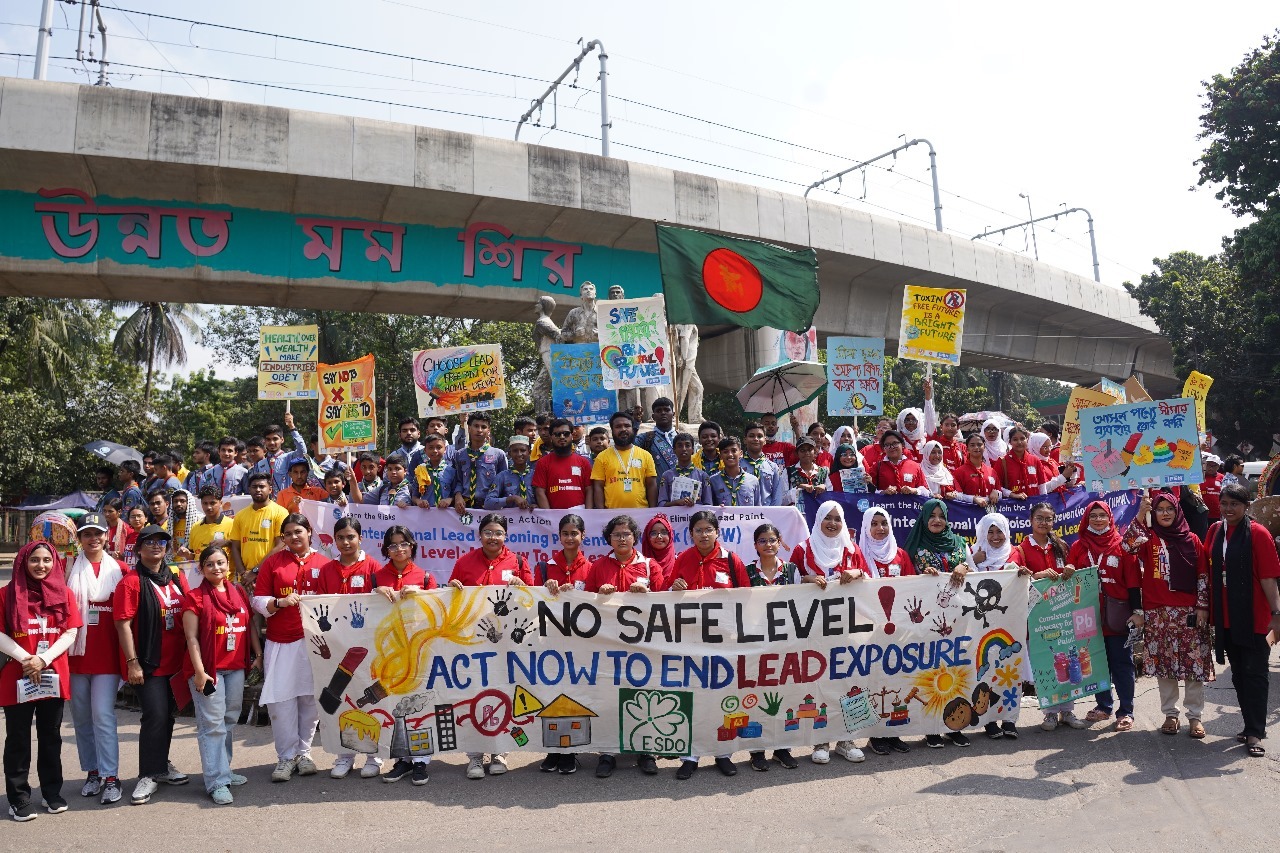
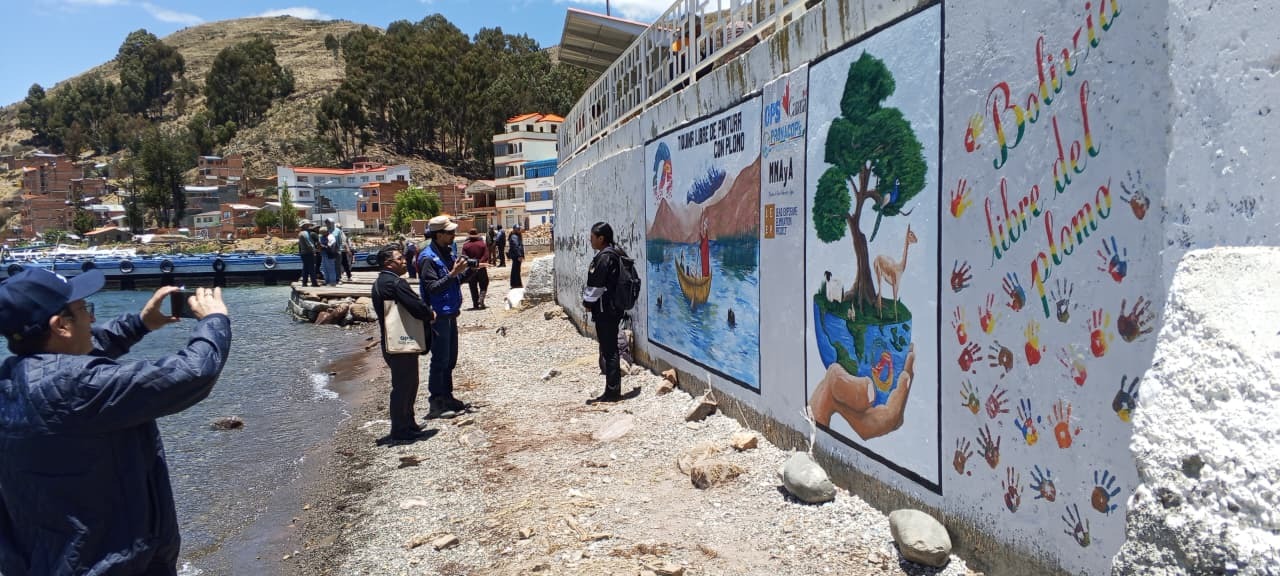
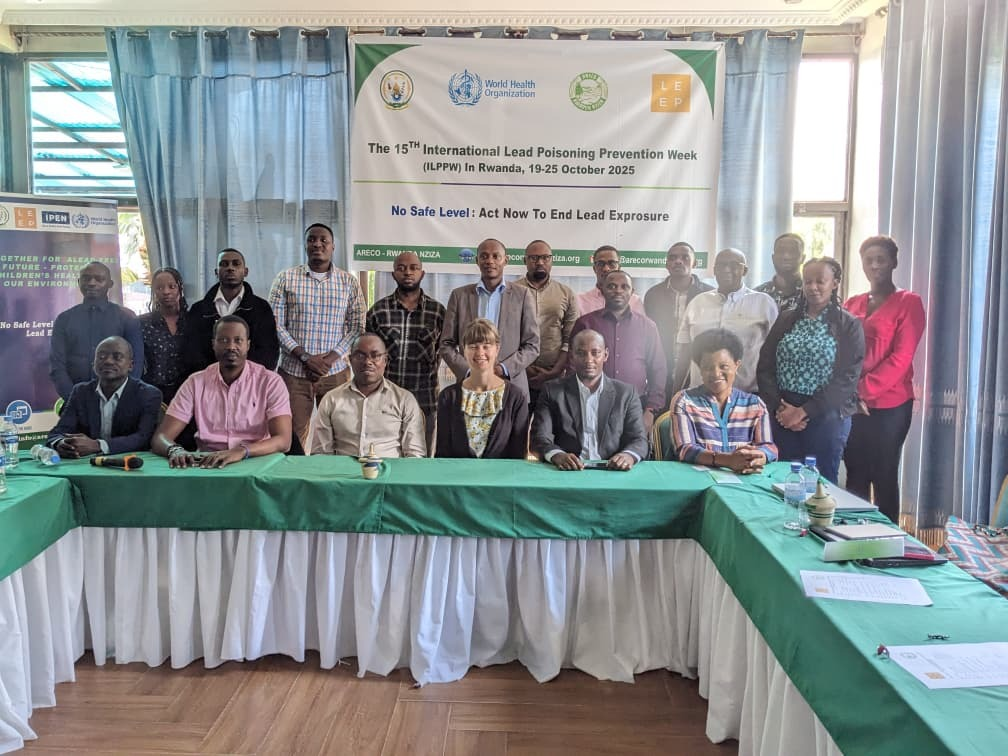
In addition to our core program work, often conducted in collaboration with local partners, we awarded over 40 small grants across 32 countries to government and civil society organizations during and beyond International Lead Poisoning Prevention Week, enabling locally led action to reduce lead exposure and protect children’s health. We continue to see that these modest, flexible grants can play an outsized role, particularly in building government buy-in and strengthening local partnerships.
Did we meet our goals?
Our overall goal for our 2025 paint program was to make a significant step to eliminate new lead paint across areas representing 35% of births in LMICs. We define a significant step as having met an additional key goal, as laid out here. We exceeded this goal, reaching 38.9% of LMIC births, making significant steps in 30 of our 43 programs.
We achieved 86% of our overall targets for 2025. You can review progress on our individual goals in our detailed goal tracker. The graph below provides an overview of our progress on paint industry goals over LEEP’s history. As you can see, we are on a continued upward trajectory moving manufacturers from initial engagement, through taking initial then significant steps toward reformulation, to confirmed reformulation via a repeat paint study.
Progress on industry reformulation over time
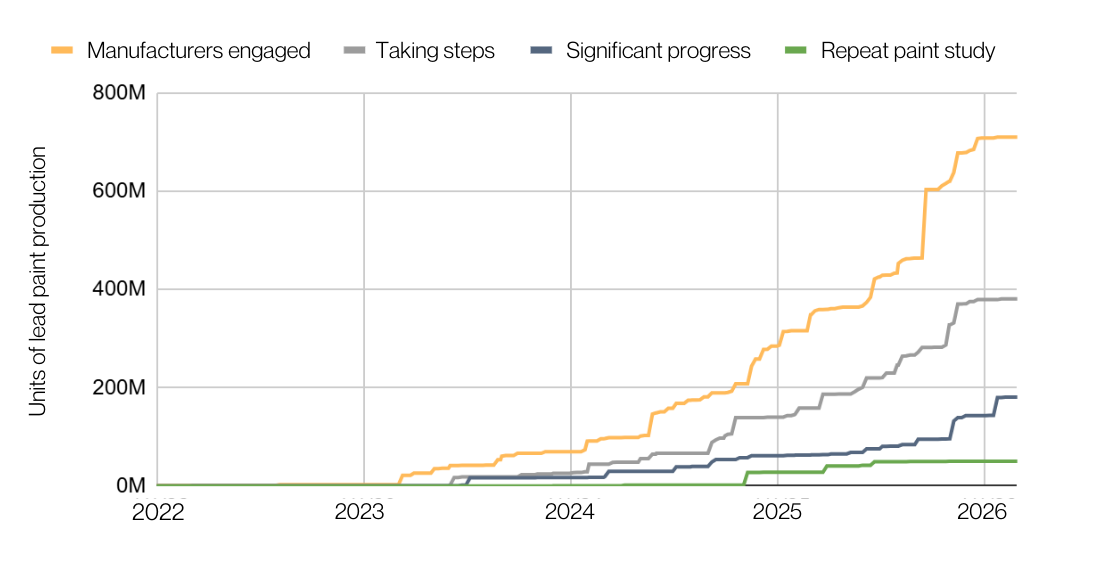
Progress on paint reformulation over time. Units of lead paint production is our best available proxy for volume, and absolute values are subject to revision as data quality improves.
Team growth
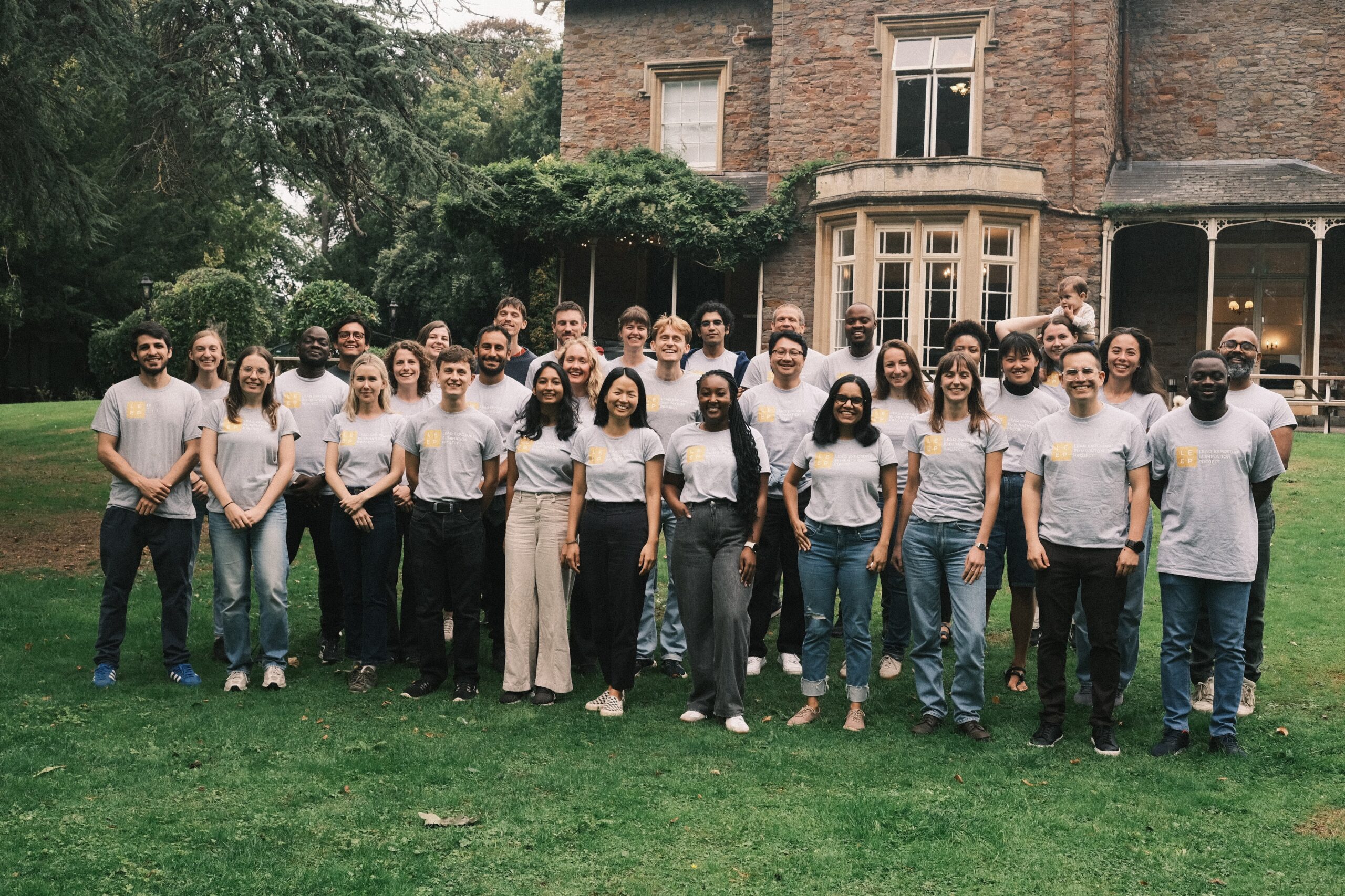
Our team grew from 18 to 43 in 2025, with new leadership roles (e.g., Head of Finance, Head of External Relations) and new verticals in Research, Industry, Design, and External Relations.
We strengthened our planning processes, compensation approach, financial systems, and research, monitoring, and evaluation capabilities to support evidence-based decision making.
Financials
2025 Overview:
Total income: $13.3 million
Total expenditure: $4.9 million
Surplus for the year: $8.4 million – the majority of this is restricted reserves for planned activities.
Income
We would like to thank Bloomberg Philanthropies, Coefficient Giving, and a number of other generous institutions and individual donors for their support in 2025. Under US nonprofit accounting standards, donations and grant income are generally recognised in the year they are received, even if the funds are intended for use in future periods. During the year, we received $12.7 million from donations and grants, with an investment income of $0.6 million, bringing to a total of $13.3 million. At the end of the year, we held approximately $17 million, including $15 million in investments, of which the majority is restricted or designed for current and future paint programs.
Expenses *
We spent $4.9 million in 2025, a threefold increase over 2024. We anticipate a similar level of growth in 2026.
Of this, $2.6 million relates to staff costs for our 43 team members. Approximately $2 million relates to direct program activities, investment in scoping, prioritisation, and delivery of emerging programs tackling non-paint lead exposure sources, and $870,000 that we disbursed in grants to government agencies and NGO partners to support the elimination of lead paint. The remaining $0.3 million, or approximately 6%, relates to operational activity.
*LEEP is currently undergoing its annual audit. Some of these numbers may not be exact and may be subject to change after the audit has been completed.
Where we’re going in 2026
In 2026, LEEP will scale our paint programs to 50 countries across Africa, advance paint programs in Asia and Latin America, expand our work on spices and eyeliners, and continue to identify and evaluate additional significant sources of lead exposure (such as plastic foodware and drinking water) that may be tractable and cost-effective for LEEP to address. Our focus will be demonstrating reformulation and exposure reduction at scale.
Key priorities include:
- Driving market-wide reformulation in our paint programs through deeper industry engagement, enforcement, and awareness-raising through media. Our overall target for 2026 is to make a significant step in programs that are ultimately expected to prevent lead paint exposure in 78 million children born over the next 35 years.
- Reaching the following goals: “regulation in place” in 14 countries total (up from seven); “>50% of lead market share taking steps towards reformulating” in 30 programs (up from 20); and “penalties being issued for non-compliance” in three programs (up from one).
- Achieving a 50% reduction in lead in turmeric on the market in two provinces/states in India and Pakistan, launching new pilot programs on spices and traditional eyeliners in seven locations, and assessing the cost-effectiveness and viability of the program going forward.
- Continuing to address uncertainties in our theory of change through targeted research and testing.
- Sharing our program learnings and successes with partners in this space to strengthen the body of knowledge and expand the evidence base for what works in lead poisoning prevention.
- Preserving organisational culture and effectiveness during rapid growth.
See our 2026 LEEP Goals document for more information. Overall, LEEP enters 2026 with stronger foundations, clearer strategic focus, and the capacity to translate growth into sustained reductions in lead exposure globally.